


Deep Cleaning Strategies for Plano’s Travertine Floors
Bring Back the Beauty of Your Plano Travertine Floors
Travertine floors can make a Plano home feel calm, clean, and elegant all at once. The soft color, natural movement in the stone, and cool surface feel great under bare feet, especially during warm spring days. But travertine is not like regular tile, and when it gets dull or stained, it can make the whole room feel tired.
After months of heavy foot traffic, school activities, and people moving in and out of the house, those floors can start showing wear. Dust, grit, and spills sit in the pores of the stone and in the grout, so simple mopping will not always bring back the shine. In this guide, we will walk through smart deep cleaning strategies, signs of damage to watch for, and how to know when it is time to bring in professional travertine floor cleaning in Plano.
Know Your Travertine Before You Deep Clean
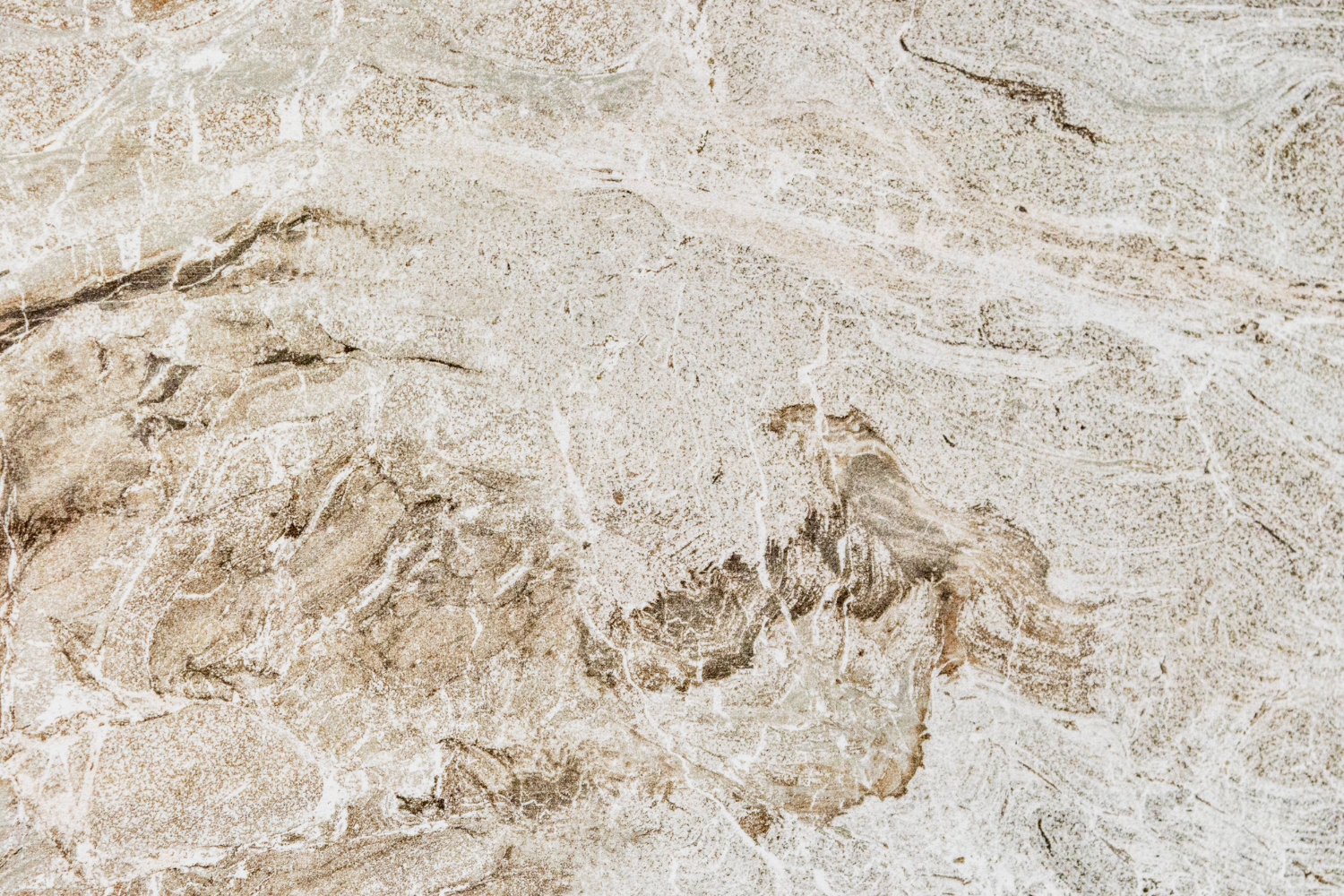
Travertine is a natural stone made mostly of calcium. It forms with small holes and channels, which make it more porous than ceramic tile or granite. That porous structure is part of what gives travertine its warm, natural look, but it also means it can soak up liquids and hold on to dirt.
In Plano homes, we tend to see a few common travertine finishes:
- Honed: satin, smooth, with a soft, low sheen
- Polished: shiny, reflective, and very smooth
- Brushed: textured surface that feels slightly rough
- Tumbled: rounded edges, pits, and a more rustic, old-world look
Each finish shows wear in its own way. A polished floor might show light scratches and dull spots where the shine disappears. A honed or brushed floor may look flat and dirty in traffic lanes. A tumbled floor can hide small marks but collect soil deep in pits and grout lines.
Why does this matter for deep cleaning? Because:
- Porous stone soaks up water and cleaner, so product choice is important
- Softer surfaces scratch more easily with harsh scrub pads or gritty soils
- Shiny finishes can lose their gloss if you use the wrong chemicals
Before you start, it helps to know which finish you have, how slick or textured it is, and where the worst wear shows up.
Plano Tracked-in Dirt and Stains That Hurt Travertine
North Texas living brings its own special kind of dust and dirt into the house. Between active kids, pets, and busy schedules, floors in Plano see a lot of traffic. Spring storms, nearby construction, and yard work can send fine soil and grit right to your entryway.
Common problems we see on travertine floors in this area include:
- Grit and sand tracked in from garages and driveways
- Red and brown soil from yards and walking trails
- Construction dust from remodeling or new builds
Because travertine has natural pits and pores, that soil does not just sit on top. It gets pressed into tiny holes and grout lines. Over time, this leads to:
- Darkened traffic lanes in kitchens, hallways, and entries
- Dirty-looking grout that stays dark even after regular mopping
- Dull, cloudy areas that lack the soft glow you remember
Spills are another issue. Travertine is calcium-based, so anything acidic can etch the surface and leave marks. Juice, soda, vinegar, wine, and some cleaners can react with the stone. Instead of a simple stain that sits on top, the surface itself gets eaten away, leaving a light, chalky spot.
Add in seasonal pollen and fine dust that float in when windows and doors are open, and the floor can start to look older and more tired than it really is. That is why constant dry cleaning and smart deep cleaning matter so much.
Safe Deep Cleaning Steps for Travertine Floors
The safest way to deep clean travertine is to think “gentle but thorough.” We want to lift out soil, not grind it in or burn the stone with harsh chemicals.
Start with dry cleaning:
- Use a soft dust mop daily in high-traffic areas
- Vacuum on a hard floor setting, with the beater bar turned off
- Pay close attention to entryways, kitchen paths, and around islands
Once you remove loose grit, move to a damp clean. Always choose a pH-neutral cleaner that is labeled safe for natural stone. Mix it according to the label so it is not too strong. Use a microfiber mop, wring it well, and work in small sections.
Just as important as what you do use is what you avoid. Do not clean travertine with:
- Vinegar or lemon-based cleaners
- Bleach or ammonia
- Generic bathroom or tub and tile products
- Abrasive powders or harsh scrub pads
These can etch, dull, or scratch the stone and damage grout. They may seem to clean at first, but they often leave permanent marks.
For deeper soil, focus on a few key steps:
- Dwell time: Apply the neutral cleaner and let it sit for a few minutes so it can loosen soil in pits and grout.
- Gentle agitation: Use a soft-bristle brush along grout lines and in textured areas. Work slowly so you do not flick dirty water onto walls or cabinets.
- Rinse: Go back over the area with clean water and a fresh microfiber mop to remove residue.
- Dry: Use towels or fans to dry the floor quickly so water does not leave mineral spots or streaks.
If you are doing everything right and the floor still looks dull or stained, that is a sign that regular products are not enough.
Protecting and Sealing Plano Travertine for the Long Haul
Even the best deep clean will not last if the stone is left bare and unprotected. Because travertine is porous, sealer is an important layer of protection. It does not make the floor stain-proof, but it helps keep liquids on the surface longer so you have time to wipe them up.
A good sealer helps guard against:
- Spills from drinks, sauces, and cooking oils
- Tracked-in oils from asphalt or garage floors
- Everyday splashes in kitchens, bathrooms, and near patio doors
In a busy Plano home with kids, pets, and guests in and out for spring and summer gatherings, that protection matters.
To get a sense of whether your sealer is still working, you can try a simple water drop test in an out-of-the-way spot. Place a few drops of clean water on the stone and watch it for a couple of minutes. If the water beads up, the sealer is likely doing its job. If it soaks in quickly and darkens the stone, it may be time for a fresh application.
Along with sealing, a few daily habits go a long way:
- Use walk-off mats at doors that lead outside
- Add felt pads under chairs, barstools, and furniture
- Keep pet nails trimmed to reduce scratching
- Sweep or dust mop often to get rid of grit before it can scratch
These small steps help your professional travertine floor cleaning in Plano last longer and keep the stone looking bright between deeper services.
When DIY Is Not Enough, Call Dalworth Clean
Sometimes, even careful cleaning will not fix what you see on the floor. Travertine can reach a point where the issue is not only dirt, but actual damage in the stone or grout. That is when expert help makes a real difference.
Signs that it is time to bring in professionals include:
- Stubborn dark traffic lanes that stay even after careful cleaning
- Uneven tiles that trap soil along the edges
- Heavy etching from acidic spills that left light, rough spots
- Dull areas that never get back their glow
- Grout that stays dark, greasy, or blotchy
At Dalworth Clean, we work with travertine and other natural stone surfaces across the Dallas, Fort Worth area, including many homes and businesses in Plano. We use stone-safe cleaners, controlled hot water extraction, and targeted grout agitation to remove deep soil. When needed, we can hone and polish travertine to correct etching and restore clarity, then apply professional sealing to help protect the surface.
Deep cleaning travertine is not just about looks. It is about protecting your investment and making daily upkeep easier. With the right care and the right professional support when you need it, your Plano travertine floors can stay cool, smooth, and beautiful for years to come.
Restore Your Travertine Floors With Professional Care Today
If your floors have lost their natural luster, our expert travertine floor cleaning in Plano can bring them back to life. At Dalworth Clean, we use proven methods and specialized equipment to clean, protect, and enhance your stone surfaces. Reach out to our team with any questions or to request a service appointment through our contact us page.
Let Dalworth’s Certified Technicians Clean
Your Home or Office
Your Home or Office
Call or use our online booking system to schedule your next cleaning
A+ Company Rating by The BBB
See Our Full Service Area
Dalworth Service Area

- Addison
- Aledo
- Allen
- Alvarado
- Anna
- Argyle
- Arlington
- Aubrey
- Azle
- Balch Springs
- Bartonville
- Bedford
- Benbrook
- Blue Mound
- Blue Ridge
- Bluff Dale
- Burleson
- Carrollton
- Cedar Hill
- Celina
- Cockrell Hill
- Colleyville
- Coppell
- Corinth
- Crowley
- Dallas
- Dalworthington Gardens
- Denton
- DeSoto
- Double Oak
- Duncanville
- Euless
- Everman
- Farmers Branch
- Fate
- Flower Mound
- Forest Hill
- Forney
- Fort Worth
- Frisco
- Garland
- Glen Heights
- Granbury
- Grand Prairie
- Grapevine
- Haltom City
- Haslet
- Heath
- Highland Park
- Highland Village
- Hurst
- Hutchins
- Irving
- Italy
- Justin
- Keller
- Kennedale
- Krum
- Lake Dallas
- Lake Worth
- Lakewood Dallas
- Lancaster
- Lavon
- Lewisville
- Little Elm
- Mansfield
- Maypearl
- McKinney
- Melissa
- Mesquite
- Midlothian
- Murphy
- North Richland
- Ovilla
- Pantego
- Paradise
- Pilot Point
- Plano
- Ponder
- Prosper
- Red Oak
- Rhome
- Richardson
- Roanoke
- Rockwall
- Rowlett
- Royse City
- Sachse
- Saginaw
- Seagoville
- Southlake
- Springtown
- Sunnyvale
- Test Aubrey
- The Colony
- Trophy Club
- University Park
- Watauga
- Westlake
- White Settlement
- Wilmer
- Wylie
